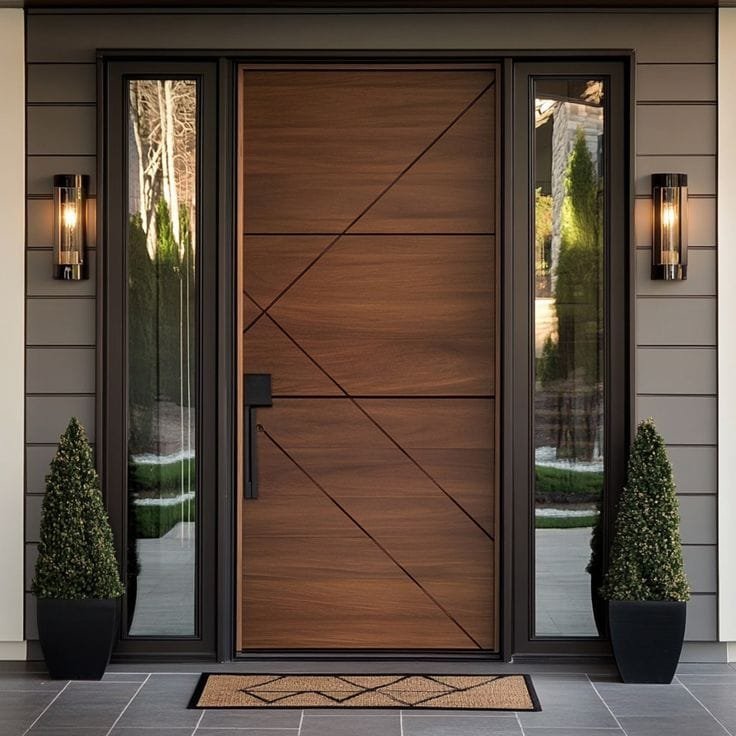
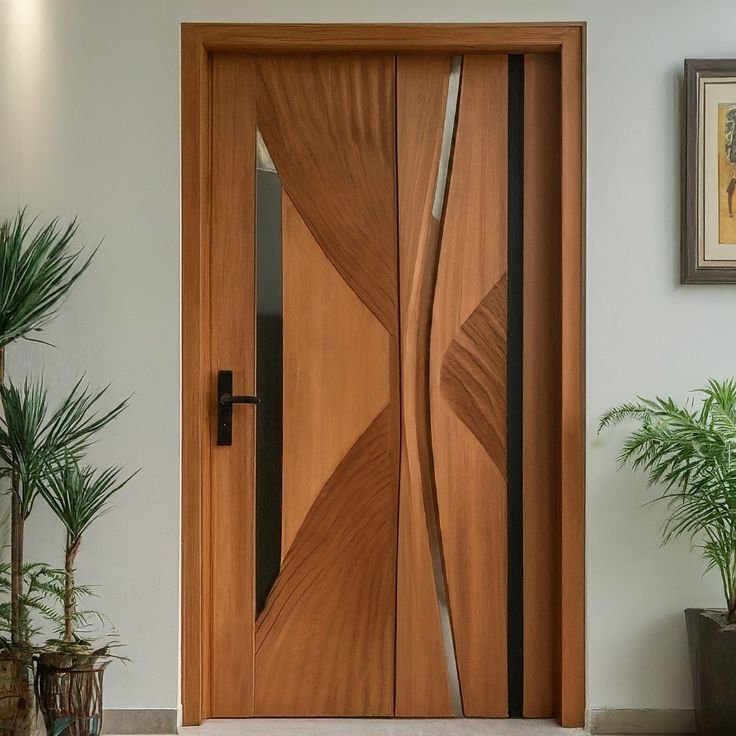
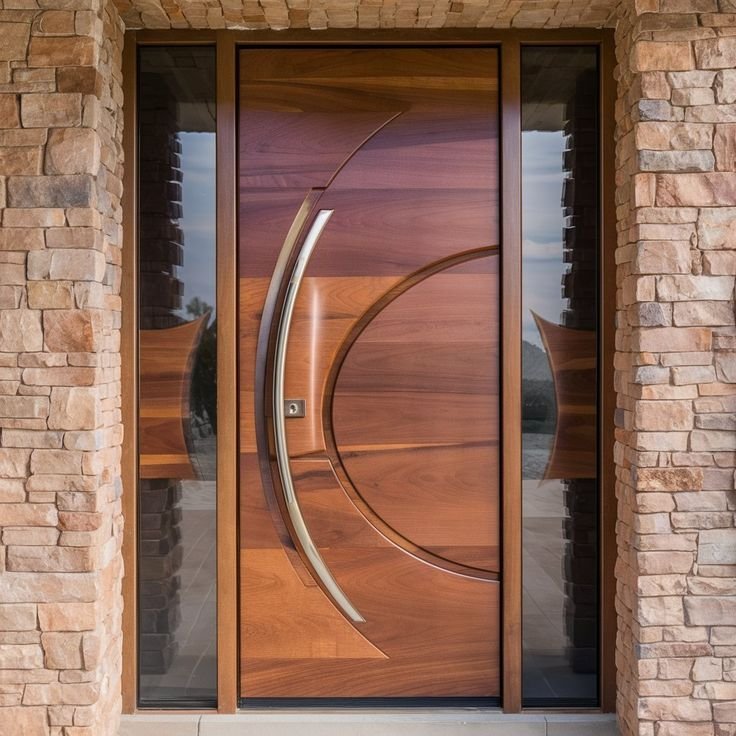
Choosing the right door goes far beyond surface design or appearance. The core material inside the door commonly referred to as door core materials determines its actual strength, durability, safety, and long term performance. Although hidden from view, the door core directly influences how well a door handles daily usage, impact, fire exposure, and environmental stress.
What Is Inside a Door and Why It Matters
The door core is the internal material placed between the outer facings of a door. It provides structural support and determines how strong, stable, sound resistant, and fire safe the door will be. Therefore, selecting the right core material is essential for ensuring consistent performance throughout the door’s lifespan.
Different door core materials serve different purposes. While some focus on cost efficiency, others emphasize high strength, fire resistance, and compliance with safety standards.
Common Door Core Types Used in Construction
1. Solid Wood Core
Solid wood cores consist of bonded hardwood blocks or laminated timber. As a result, they offer excellent strength and durability.
Impact on strength:
- Provides high structural strength
- Holds screws firmly and securely
- Delivers long service life under normal conditions
Best suited for: Premium residential doors and traditional interiors where durability and a solid feel matter.
2. Particle Board Core
Manufacturers create particle board cores by compressing wood chips with resin. Consequently, these cores offer a balance between affordability and performance.
Impact on strength:
- Offers moderate structural strength
- Performs better than hollow doors
- Reduces overall door cost
Best suited for: Interior doors where budget and basic durability are key requirements.
3. Honeycomb Core
Honeycomb cores use kraft paper or cardboard arranged in a honeycomb structure. Because of this design, they remain lightweight and easy to install.
Impact on strength:
- Keeps the door lightweight
- Provides limited impact resistance
- Simplifies handling and installation
Best suited for: Low traffic, non load bearing interior doors.
4. Mineral Core (Fire-Rated Core)
Mineral cores use non combustible materials engineered to resist fire and limit heat transfer. Therefore, they play a critical role in safety focused applications.
Impact on strength:
- Delivers excellent fire resistance
- Maintains dimensional stability during high temperatures
- Supports regulatory and fire safety compliance
Best suited for: Fire rated doors in commercial buildings, hospitals, hotels, and industrial facilities.
How Core Selection Affects Door Performance
The choice of door core material directly impacts overall door performance.
For instance:
- Strength and durability: Solid and mineral cores resist impact and wear effectively
- Fire safety: Mineral cores delay fire spread and heat penetration
- Sound insulation: Denser cores improve noise reduction
- Weight and installation: Lightweight cores simplify installation but may reduce durability
- Cost efficiency: Particle board and honeycomb cores help control project budgets
When selected correctly, door core materials improve structural strength, fire resistance, and long term reliability across different building applications.
Why Choosing the Right Door Interior Is Important
A door is not just an entry point. Instead, it acts as a structural, safety, and acoustic component of a building. Choosing the wrong core can cause premature damage, reduced performance, or failure to meet safety regulations. On the other hand, the right door core ensures long term reliability, safety, and value.
Looking for high quality doors with the right core materials for your project?
Contact our team today to get expert guidance and durable door solutions tailored to your requirements.